Metro Hydrovac Toronto: What Our Crew Brought Back From the 2026 Canadian Public Works Association Conference
Our annual trip to the CPWA conference: what municipal buyers asked about catch basin programs, culvert flushing and documentation this year.
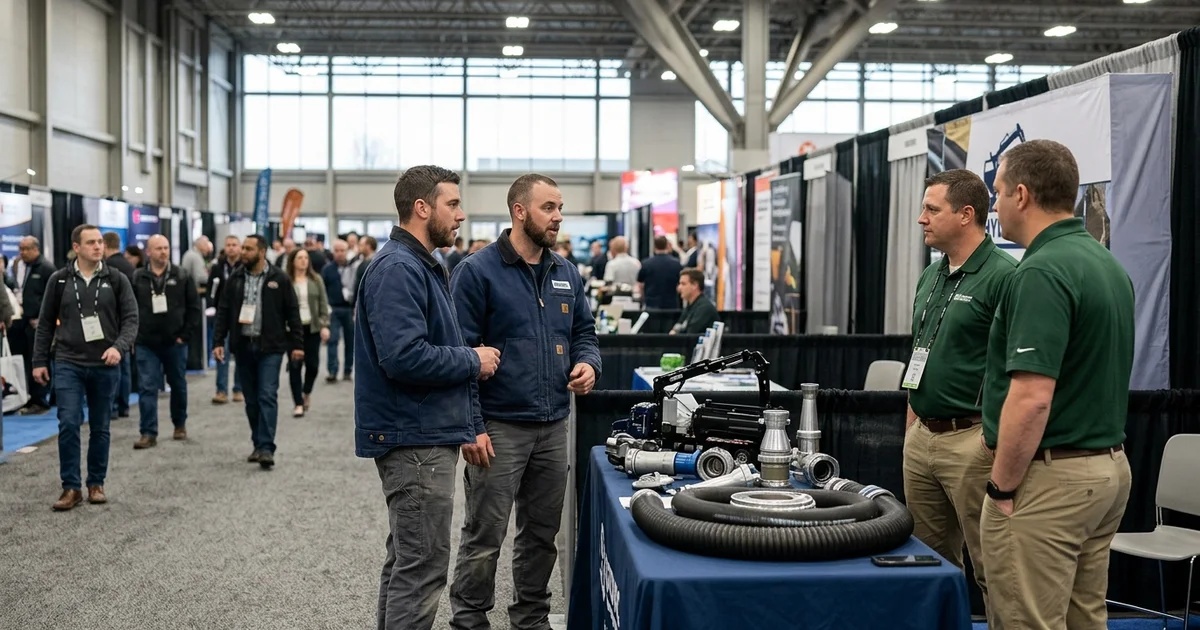
Every year a few of us leave the trucks with the rest of the crew and go to the Canadian Public Works Association conference. It is one of the few places where the people who write municipal tenders, the people who inspect the work and the contractors who do it all end up in the same room. This year was no different, and the conversations at our end of the hall were mostly about catch basins, culverts and paperwork.
Here is what municipal buyers asked us about this year, and what it means for anyone running or bidding on a storm system program in the GTA. If you manage catch basins or culverts, our sewer and culvert cleaning page has the full scope and published rates.
Why We Go Every Year
We are a three-truck, owner-run company providing hydrovac services in Toronto and across the GTA. We don’t go to the CPWA conference to hand out pens. We go because the questions municipal staff ask there are the questions that show up in next year’s tenders. Hearing them early lets us shape how we run programs, and lets us tell clients what inspectors are going to look for.
It also keeps us honest. Talking to public works staff from across the country is a good reminder that Toronto, Peel and Halton are not the only regions dealing with old infrastructure, tight budgets and more intense storms.
The Three Questions We Heard Most
1. “How do you schedule a catch basin program so it actually gets finished?”
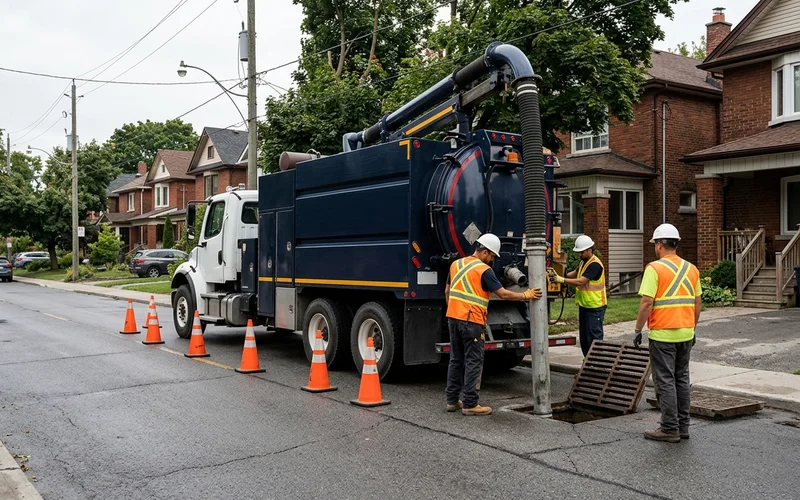
Program scheduling came up more than anything else. Municipal staff described programs that started in spring and were still dragging into August because contractors pulled trucks off for higher-paying emergency work.
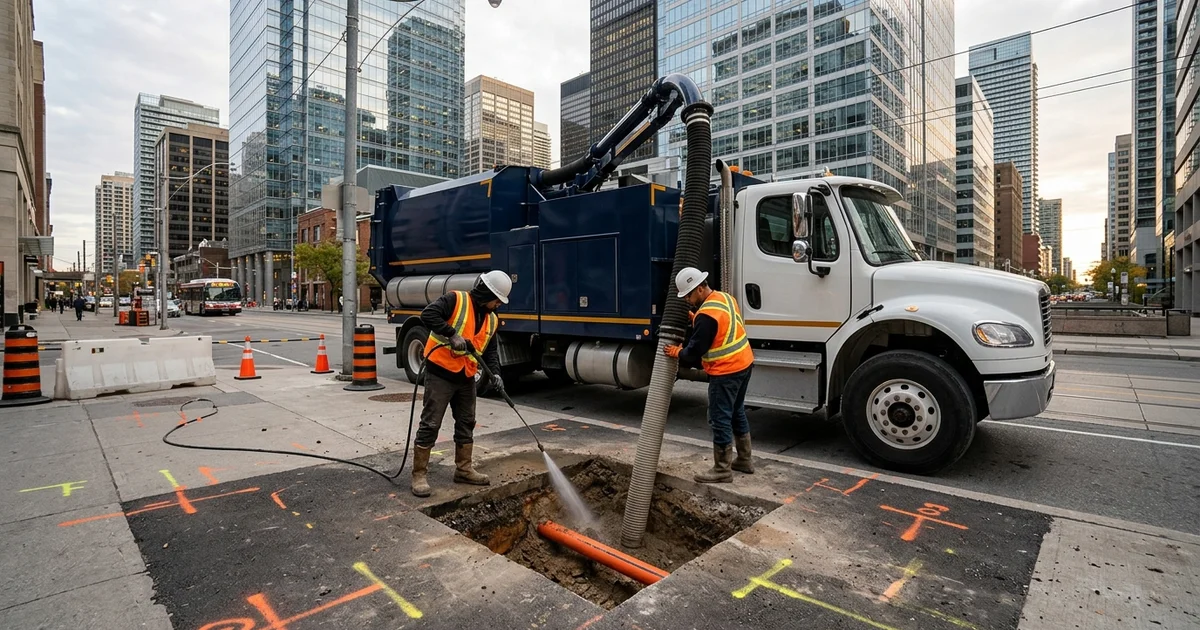
Our answer is the way we already run programs: a basin inventory first, a fixed number of basins per truck-day, and a schedule that does not get raided when a better job comes along. We own all three trucks, which makes that promise easier to keep. The City of Toronto catch basin program we ran on Danforth Ave in 2024 followed exactly that pattern.
2. “Can we get before and after photos for every basin?”
Yes, and more buyers are now writing that requirement into tenders. The reason is simple: without a photo, there is no proof a basin was cleaned to the floor instead of just having the water pulled off the top. Several people told us their councils or insurers had started asking for that evidence.
Every basin we clean gets a before photo, an after photo and a sediment depth, logged against the basin ID. That is standard on our programs and it costs nothing extra.
3. “What do your disposal records look like?”
The third topic was disposal. Municipal staff want to know that sediment and liquid waste went to a licensed facility, and they want the record in their file, not in the contractor’s. We provide a disposal record for every load, tied back to the program.
What this means for GTA property managers
The same expectations are moving from municipal tenders into commercial contracts. If your insurer or auditor has not asked for basin-by-basin photos and disposal records yet, expect them to soon.
Program Pricing: How We Quote It
Several buyers asked us how a three-truck company prices bulk programs compared to the larger regional players. We publish our ranges, so here they are:
| Scope | Published range (CAD) |
|---|---|
| Catch basin cleaning (standard, single basin) | $600-$1,800 |
| Municipal catch basin program (bulk) | $15,000-$75,000 |
| Hourly, standard truck + 2-person crew | $280-$350/hr plus disposal |
| Hourly, large tank truck (6,000 gal) | $350-$450/hr plus disposal |
A bulk program is quoted on basin count, sediment depth from a sample of basins, and the disposal estimate. Programs at the lower end are usually a few dozen basins on a single site, like the 28-basin retail plaza job we did off the Danforth. The upper end covers multi-site portfolios or municipal routes with hundreds of structures.
Culvert Flushing Came Up Too
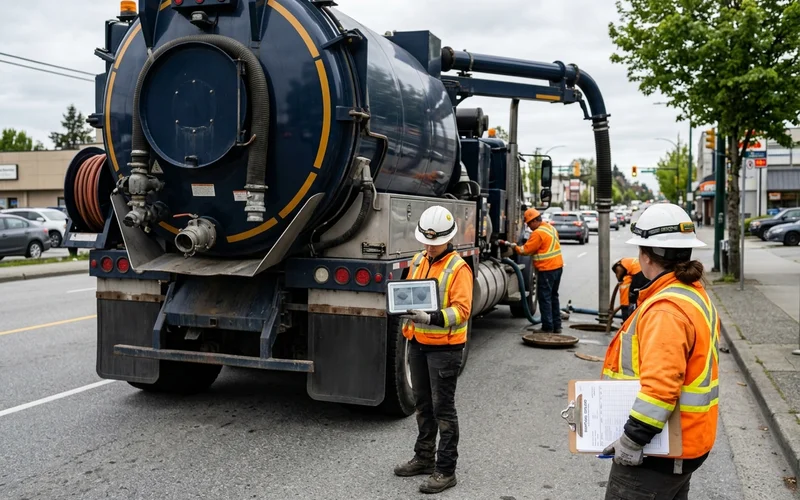
Culverts were the other recurring topic, especially from staff in growing municipalities north and west of Toronto. Many of them are dealing with culverts under rural roads that now carry suburban traffic, and with heavier storms filling those culverts faster than before.
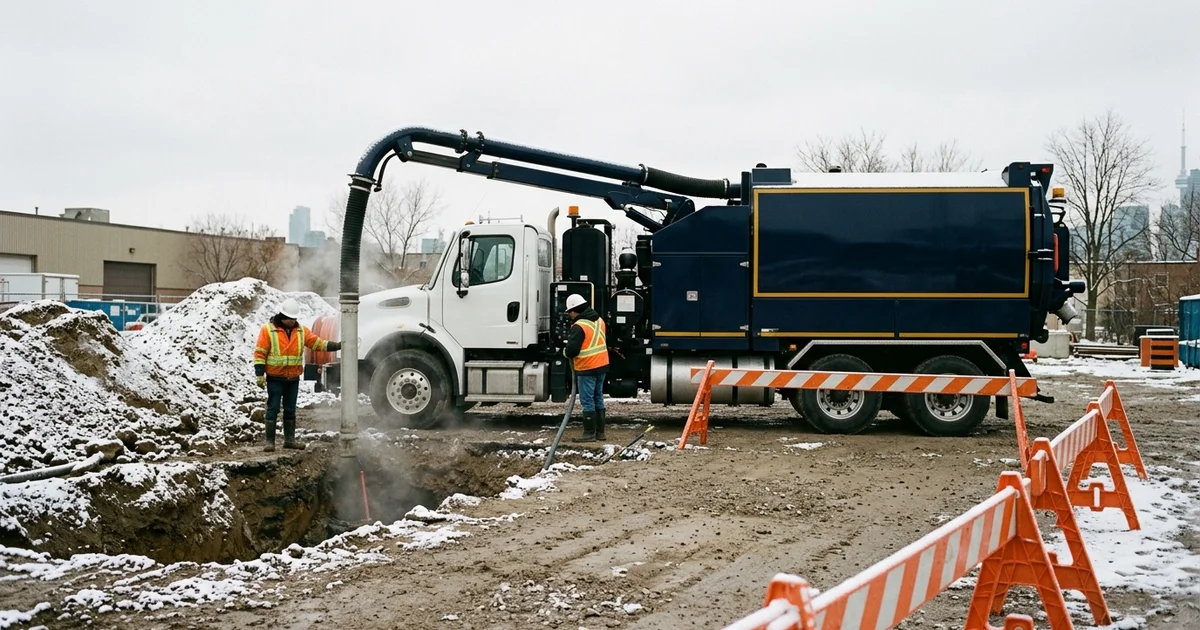
The common question was whether a blocked culvert needs replacing or just cleaning. In most cases we see, flushing and vacuuming clears it. Our Highway 400 municipal culvert flushing job in Vaughan ran two days for $14,600 and avoided any replacement. We always recommend flushing and inspecting before anyone budgets for a dig.
What We Are Changing
Coming back from the conference, we are making two small changes to how we report programs:
- One summary sheet per program. Basin count, total sediment removed, total loads, disposal facility, and any structures flagged for repair, all on one page at the front of the photo file.
- Repair flags with photos. Cracked frames, missing hoods and damaged outlets get their own list so the owner can budget repairs without digging through hundreds of photos.
Neither change costs our clients anything. They just make the file easier to use when someone asks for it six months later.
See You Next Year
We will be back at the CPWA conference next year. In the meantime, if you run a storm system program in Toronto, Peel, York or Halton and want to talk through scheduling, documentation or pricing, call us at (647) 251-8377.
Planning a spring or fall program? Request a catch basin or culvert program quote
Related service
Sewer & Culvert Cleaning
Pressure flushing and vacuum removal for storm drains, catch basins, culverts and grease traps.